

French Bulldog Color Genetics Explained Clearly

A blue-and-tan Frenchie may look dramatically different from a fluffy lilac or a bright platinum puppy, but the real distinction begins long before the coat appears. French bulldog color genetics explain which traits a puppy can inherit, which combinations are possible, and why a premium breeder should use DNA results alongside pedigree knowledge, temperament evaluation, and thoughtful health planning.
For buyers, genetics are not simply breeder terminology. They are part of the story behind your puppy’s striking appearance, documented lineage, and future care. A majestic rare-color French Bulldog deserves more than a beautiful label. The goal is to understand the DNA behind the color while choosing a breeder who treats health, structure, and responsible pairing as equal priorities.
French Bulldog Color Genetics: The Main DNA Loci
A Frenchie’s color is not controlled by one “blue gene” or “merle gene.” It is the result of several gene locations, known as loci, working together. Each parent gives a puppy one copy of a gene at each locus. Some traits are dominant and can appear with one copy, while others are recessive and generally require two copies to be visible.
The B locus affects black pigment. A Frenchie that inherits two recessive b copies produces chocolate pigment rather than black pigment. Depending on the rest of the dog’s DNA, that foundation can create the rich brown tones seen in chocolate French Bulldogs.
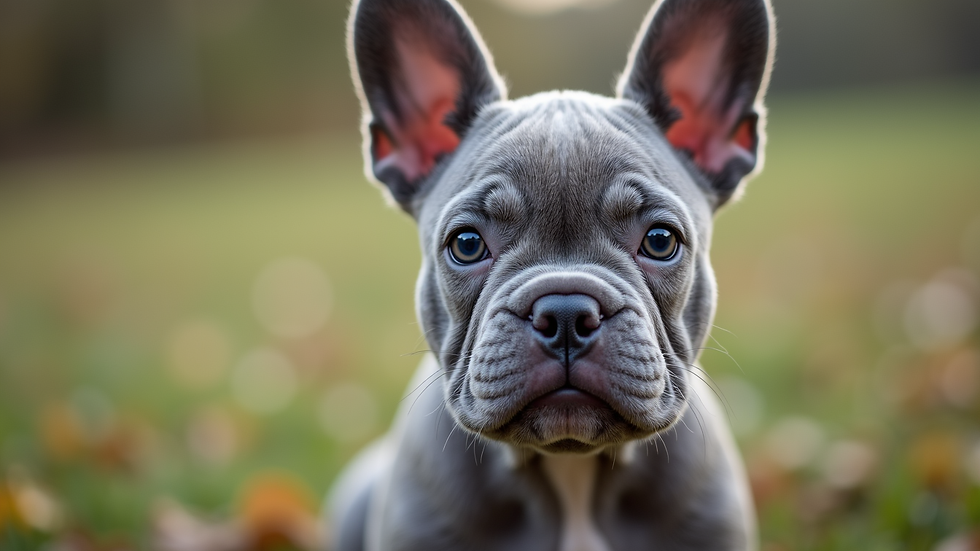
The D locus is the dilution locus. A dog with two recessive d copies, written as dd, has diluted pigment. Black becomes the beautiful slate-gray tone commonly called blue. When chocolate pigment is diluted, the result is often described as lilac. In breeder conversations, terms such as lilac, Isabella, and New Shade Isabella may be used for highly desirable color expressions, but DNA testing is what clarifies the underlying genetic makeup. Names alone are not a substitute for a complete panel.
The A locus helps determine patterns such as fawn, sable, and tan points. A blue-and-tan Frenchie, for example, combines diluted dark pigment with the genetic instruction for tan points. Those warm markings may appear above the eyes, on the cheeks, chest, legs, and beneath the tail, creating the bold, polished contrast many families love.
Other important loci include the K locus, which influences whether certain agouti patterns can show, and the E locus. Two copies of recessive e can produce cream. Cream-based Frenchies can carry additional color genes that are not obvious from their visible coat, which is one reason genetic testing is so valuable when planning a breeding program.
Patterns and Traits That Create Exotic Frenchies
Color is only one part of the visual picture. Patterns and physical traits can transform how a Frenchie presents, creating the exceptional looks sought by serious breed enthusiasts.
Merle is one of the most recognizable patterns. It creates mottled or marbled areas of lighter and darker pigment and can affect coat, eye, and nose coloration. A merle Frenchie may be blue merle, chocolate merle, lilac merle, or combined with tan points or pied markings. The merle allele is dominant, meaning one copy can produce the pattern.
That visibility makes careful planning essential. Merle should never be treated as a shortcut to a higher-priced puppy. Breeding merle to merle can produce double-merle puppies, which face a greater risk of serious hearing and vision concerns. A quality breeding program uses DNA testing to identify the merle status of both parents and plans pairings with the puppy’s lifelong well-being in mind.
Pied markings are influenced by the S locus. These dogs have white areas combined with another base color or pattern. The amount and placement of white can vary widely, so two pied Frenchies may look entirely different even when they share similar DNA.
Fluffy French Bulldogs inherit a recessive long-hair trait associated with the FGF5 gene. A puppy generally needs two copies of the long-hair variant to display the stunning fluffy coat. A short-haired Frenchie can still carry one copy and pass it to future puppies. That is why a breeder may describe a dog as a fluffy carrier even though its own coat is smooth.
Big rope is another highly coveted physical trait, referring to a pronounced fold of skin across the nose. Unlike simple recessive color traits, big rope expression is more complex and cannot be reduced to one universally definitive color-style DNA result. Breeder selection, pedigree familiarity, and careful assessment of the individual dog matter greatly. The most impressive big rope Frenchie should still have comfort, clean skin folds, and overall sound care at the center of the conversation.
Why Color Names Can Be Confusing
Buyers often see terms such as platinum, Isabella, New Shade Isabella, cocoa, blue fawn, and lilac fawn used across puppy listings. These descriptions can be useful, but the rare-color Frenchie market does not always apply every name in exactly the same way.
Platinum, for example, typically describes an exceptionally light cream-based appearance while the dog may also carry dilute, chocolate, or other hidden color genetics. Two puppies marketed as platinum may look similarly bright yet have very different DNA profiles and breeding potential. The same is true of Isabella-related terminology, where the precise combination and modifiers should be confirmed with testing rather than assumed from photographs.
This is where pedigree transparency and documented DNA become premium value. A trustworthy breeder should be able to discuss a puppy’s visible color, the parents’ color DNA, and what those results mean in plain English. Buyers seeking full AKC registration should also understand that AKC registration documents lineage. It does not replace genetic screening, a veterinary exam, or an honest conversation about a dog’s individual qualities.
Health-First Pairing Matters More Than a Rare Label
A remarkable coat should never distract from the traits that make a Frenchie a wonderful long-term companion. French Bulldogs need intentional breeding decisions because the breed can be affected by concerns involving breathing, spinal health, patellas, eyes, heart health, and skin. The right screening approach depends on the parents and the breeder’s veterinary guidance.
Color-related considerations deserve the same maturity. Dilute coats have been associated in some dogs with color dilution alopecia, a coat and skin condition, although not every blue or lilac Frenchie develops it. Merle genetics require especially careful pairing because of the known risks associated with double merle. White-patterned dogs may also warrant thoughtful attention to hearing and eye health based on their genetics and appearance.
No ethical breeder can promise that any living animal will have a perfectly predictable future. What a superior program can do is reduce avoidable risk through selective pairing, health testing, veterinary oversight, excellent nutrition, clean living conditions, vaccinations, and transparent records. That is far more meaningful than choosing a puppy based on the rarest color name alone.
What Premium Frenchie Buyers Should Ask
When you have found a Frenchie whose color captures your attention, ask for more than a photo and a price. Ask how the parents were selected, what DNA testing has been completed, and whether the breeder can explain the puppy’s color genetics without making exaggerated claims. You should also ask about veterinary health certificates, vaccination records, the health guarantee, feeding guidance, and the support available after your puppy comes home.
For aspiring breeders, these questions become even more detailed. You will want to know which recessive traits are carried, whether merle is present, how long-hair genetics are inherited, and which combinations are being intentionally avoided. Responsible color breeding takes patience. The finest results come from pairing outstanding dogs, not simply stacking fashionable DNA labels.
At Silverblood Frenchies, the appeal of a stunning exotic Frenchie is paired with the standards discerning families expect: champion-bred pedigree quality, AKC documentation, health-focused care, and knowledgeable guidance through the selection process. Whether your heart is set on a rare blue-and-tan, a luxurious fluffy, a distinctive merle, or an elegant Isabella expression, the best first step is to look beyond the color and choose the puppy whose breeding, care, and temperament make that beautiful coat part of an exceptional life together.


Comments